Trauma Dogma: C-Spine, Collars & Clinical Judgment in EMS with Dr Ed Malcom | Andy Gomez


For decades, EMS providers were taught a simple rule in trauma: when in doubt, immobilize. But as evidence, technology, and our understanding of spinal injury have evolved, should some of those long-standing practices evolve with them? In this episode, Dr. Ed Malcom and emergency department charge nurse Andy Gomez join In-Service for a candid discussion about cervical spine precautions, trauma assessment, and the difference between following an algorithm and understanding why an intervention is actually needed.
The conversation takes a close look at cervical collars and the shift from traditional spinal immobilization to spinal motion restriction. The group discusses NEXUS and the Canadian C-Spine Rule, mechanism of injury versus physical examination, distracting injuries, intoxication, neurological findings, and when a collar may—or may not—be indicated. Just as importantly, they examine the unintended consequences of unnecessary immobilization, including pain, skin problems, prolonged time in a collar, and delays in emergency department care.
The discussion then moves beyond C-spine to the larger challenge of trauma assessment. Why can a seemingly minor ground-level fall be more concerning than a dramatic motor vehicle crash? Dr. Malcom and Andy explore geriatric trauma, anticoagulants, medications that can mask physiologic responses, subtle presentations, and why normal-looking vital signs don't always tell the entire story. The episode reinforces the importance of looking at the whole patient rather than allowing mechanism or a single number to drive clinical decisions.
The episode also provides a look at trauma care from the other side of the emergency department doors. Dr. Malcom and Andy explain what information they actually want from EMS, why the paramedic's initial assessment matters, and the value of communicating not only what happened, but what the provider thinks is wrong and why an intervention was performed. The medic was there when the event happened—and that firsthand context can be extremely valuable once the patient reaches the hospital.
Ultimately, this episode is about developing clinical judgment. Protocols and decision rules matter, but so does understanding the evidence behind them, recognizing when a patient doesn't fit neatly into an algorithm, and being able to articulate the reasoning behind your decisions. From C-spine precautions to geriatric trauma and EMS-to-ED communication, this conversation challenges providers to move beyond simply asking, “What does the protocol say?”and start understanding why they're doing what they're doing.
Enjoyed this episode? Follow the show so you never miss a new release.
📬 Want more? Visit our website and click Newsletter to receive our monthly updates: http://www.in-serviceemspodcast.com
Questions or feedback? Email us at contact@in-serviceemspodcast.com
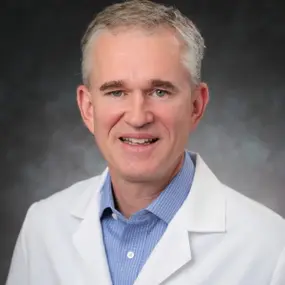
Dr. George “Ed” Malcom III is a board-certified emergency medicine physician and longtime leader in emergency and prehospital medicine in metropolitan Atlanta. With more than two decades of experience practicing emergency medicine in the Atlanta area, Dr. Malcom has built a career that bridges the emergency department and the prehospital environment.
Dr. Malcom earned his medical degree from the Medical College of Georgia–Augusta University and completed his emergency medicine residency at Wake Forest University School of Medicine, followed by fellowship in emergency medicine ultrasound at North Shore University Hospital. His clinical background includes emergency and hyperbaric medicine, with extensive experience managing high-acuity cardiac, stroke, trauma, and critically ill patients.
In addition to his emergency department leadership, Dr. Malcom has spent more than a decade working closely with fire and EMS agencies as a medical director. His work has focused on strengthening the connection between prehospital and hospital care, improving clinical processes, and helping EMS providers understand how decisions made in the field influence what happens after the patient reaches the emergency department.
That commitment has earned recognition from both the EMS and emergency medicine communities. Dr. Malcom has been recognized for his work as an EMS medical director and was named Region III EMS Medical Director of the year in 2018. His leadership efforts have included initiatives aimed at improving the transition of stroke, cardiac, and trauma pati… Read More
Registered Nurse | Emergency Department Charge Nurse
Andy Gomez is an emergency department nurse and charge nurse at a Level II Trauma Center in metropolitan Atlanta, with 13 years of nursing experience spanning critical care, emergency medicine, and trauma care.
Born in Nicaragua and raised primarily in Miami, Andy joined the United States Army and became a medic. From 2007 to 2008, he deployed to Iraq for 15 months supporting combat forces and treating patients in an environment very different from civilian medicine.
His experience as an Army medic ultimately led him into nursing. He began his nursing career in the intensive care unit, where he spent five years caring for critically ill patients. For the past eight years, he has worked in emergency medicine, managing high-acuity medical, trauma, and resuscitation cases.
Andy holds both the CCRN, Critical Care Registered Nurse, and CEN, Certified Emergency Nurse, credentials, reflecting his dedication and experience across both critical care and emergency nursing.
Today, in addition to direct patient care, Andy serves as a charge nurse with responsibilities that include patient flow, staffing, communication, resource allocation, and coordination across a busy emergency department.
His background spans military medicine, intensive care, emergency nursing, and trauma care. Having treated patients both in combat and in a metropolitan trauma center, Andy brings a perspective shaped by very different clinical environments.
His experience also gives him a strong understanding of the EMS-to-ED transition and the importance of the … Read More